Temperature sensors harness the inherent characteristics of different materials to sense and convert temperature variations into electrical signals. These signals enable precise and immediate temperature monitoring, which benefits a myriad of applications, ranging from industrial automation to household devices.
DHT11
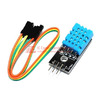 DHT11
UNIVERSAL-SOLDER Electronics Ltd
Temperature Humidity Sensor 16bi
In Stock: 3010 pcs
DHT11
UNIVERSAL-SOLDER Electronics Ltd
Temperature Humidity Sensor 16bi
In Stock: 3010 pcs
and
DHT22
 DHT22
AOSONG
AOSONG DIP4
In Stock: 14480 pcs
DHT22
AOSONG
AOSONG DIP4
In Stock: 14480 pcs
emerge as prominent humidity and temperature sensors compatible with Arduino and Raspberry Pi systems. This article delves into a detailed comparison between DHT11 and DHT22.
Catalog

A temperature sensor is a specialized device engineered to detect, measure, and convert temperature variations into readable electronic signals. These sensors play a fundamental role in monitoring and controlling temperatures across diverse environments, ensuring that conditions remain optimal for a variety of processes.
DHT11 Overview

The
DHT11
DHT11
UNIVERSAL-SOLDER Electronics Ltd
Temperature Humidity Sensor 16bi
In Stock: 3010 pcs
sensor captivates users with its ability to provide calibrated digital output for both temperature and humidity measurements. It synergizes an NTC thermistor with a resistive humidity sensor, all in conjunction with a high-performance 8-bit microcontroller. This configuration promises brisk responses, superior quality, cost-efficiency, and robust interference resistance. These attributes make it a viable option for varying applications where affordability and reliability weigh heavily.
Alternatives for DHT11
A range of alternatives can supplant the DHT11 sensor, each presenting distinctive advantages suited to specific needs:
-
DHT22
DHT22
AOSONG
AOSONG DIP4
In Stock: 14480 pcs
(AM2302)
DHT22, or AM2302, emerges with superior accuracy and an expanded measurement range. While it shares a foundational similarity with the DHT11, its higher-quality components provide consistent and reliable performance over prolonged periods.
-
AM2320
AM2320
AOSONG
AM2320 AOSONG SIP4
In Stock: 6748 pcs
AM2320 mirrors the functionalities of the DHT series but introduces I2C communication capabilities. This addition simplifies integration into systems demanding data bus communications, making it apt for more intricate setups involving multiple networked sensors.
-
BME280
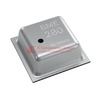 BME280
Bosch Sensortec
SENSOR PRESSURE HUMIDITY TEMP
In Stock: 8118 pcs
BME280
Bosch Sensortec
SENSOR PRESSURE HUMIDITY TEMP
In Stock: 8118 pcs
The BME280 is distinctive in measuring temperature, humidity, and atmospheric pressure. This multifaceted capability renders it a prime choice for environmental monitoring applications where an all-encompassing view of ambient conditions is necessary.
-
HTU21D
HTU21D
TE
HUMIREL DFN-6
In Stock: 13794 pcs
The HTU21D excels with high accuracy, swift response times, and I2C protocol support. It is especially favored in precision-oriented applications where even minor fluctuations in humidity or temperature hold significant impact.
DHT22 Overview

The DHT22 sensor, or AM2302, presents an elevated version of the DHT11, offering enhanced accuracy and a broader measurement spectrum. Utilizing the same underlying technology for its digital output, it integrates higher-grade components to deliver stable and consistent performance. Its capability to measure temperature from -40 to 125 degrees Celsius and humidity between 0 to 100% aligns it with more demanding applications.
Alternatives for DHT22
There exist other sensors for cases where the DHT22 may fall short of specific requirements:
- DHT11
Despite its lower accuracy, the DHT11 remains a feasible option for budget-conscious applications or where high precision is less critical.
- AM2320
Like the DHT22, the AM2320 ensures accurate readings with the added perk of I2C communication support, suiting it to complex interfacing needs.
- Si7021
The Si7021 sensor combines high accuracy and reliability with support for both I2C and digital output, presenting a versatile alternative for diverse applications. It is notably valued in industrial and commercial environments, where maintaining optimal conditions is essential.

Symbol and Footprint Overview
When diving into the world of temperature and humidity sensors, the
DHT11
DHT11
UNIVERSAL-SOLDER Electronics Ltd
Temperature Humidity Sensor 16bi
In Stock: 3010 pcs
and
DHT22
DHT22
AOSONG
AOSONG DIP4
In Stock: 14480 pcs
often come under comparison due to their affordability and widespread usage. Their symbols and footprints, although seemingly minor, hold critical differences that impact the design and functionality of electronic projects. These subtle distinctions can greatly influence the choices made by designers.
DHT11: Symbol and Footprint
The DHT11 sensor is acclaimed for its low cost and simplicity, making it ideal for straightforward applications.
- Symbol: The symbol for the DHT11 displays basic pin representations for VCC, GND, data, and unused pins, which are essential for proper wiring.
- Footprint: Featuring a small footprint, the DHT11 is usually encapsulated in a four-pin single row package. This compact design makes it suitable for hobby projects and educational purposes, where space and budget constraints are crucial factors.
DHT22: Symbol and Footprint
On the other hand, the DHT22 stands out for its superior accuracy and a wider range of measurable humidity and temperature, despite its higher price point.
- Symbol: The DHT22’s symbol is akin to that of the DHT11 but includes more detailed schematic notations, emphasizing its advanced capabilities.
- Footprint: The DHT22 has a slightly larger footprint, housed in a six-pin single row package. This increase in size may be significant in more complex projects demanding precise environmental measurements.
Practical Considerations in Design
In practical applications, these differences in symbols and footprints become pronounced:
- For the DHT22, the larger footprint may require adjustments in component placement and routing on a printed circuit board (PCB), especially on compact or densely populated boards.
- Conversely, the DHT11's smaller footprint can make design considerations simpler but may come at the cost of reduced measurement accuracy.

DHT11
DHT11
UNIVERSAL-SOLDER Electronics Ltd
Temperature Humidity Sensor 16bi
In Stock: 3010 pcs
Sensor Characteristics
The DHT11 sensor integrates temperature and humidity testing within a single unit, making it notable for its long signal transmission distance and strong resistance to drying. With a single-wire digital interface, it ensures fast response times and enhances overall reliability. A distinctive feature is its ability to submerge the sensing head in water, an uncommon trait among similar sensors. This reliability and versatility make the DHT11 suitable for a variety of environmental monitoring applications, especially in conditions of significant moisture exposure.
Practical Applications and Experiences
Enthusiasts in home automation and environmental monitoring hold the DHT11 in high regard for balancing cost and functionality.
- The single-wire digital interface simplifies connectivity in DIY projects, reducing the need for intricate wiring.
- Quick response times allow real-time data acquisition, crucial in applications like greenhouse management where immediate environmental adjustments are necessary.
DHT22
DHT22
AOSONG
AOSONG DIP4
In Stock: 14480 pcs
Sensor Characteristics
The DHT22 sensor is characterized by ultra-low power consumption, making it ideal for low-power applications and long-term deployments. Unlike the DHT11, the DHT22 features independent moisture-sensing components, ensuring high stability and enhanced anti-pollution capabilities. While sharing the DHT11's long signal transmission distance and robust reliability, the DHT22 excels in high-precision measurements, offering an affordable alternative to more expensive imported sensors.
Practical Applications and Experiences
The DHT22's superior accuracy makes it especially favored in scientific research and industrial automation where precision is paramount.
- Its low power requirements and high stability benefit remote monitoring systems, such as weather stations and smart irrigation setups.
- Independent moisture-sensing components minimize data corruption from external pollutants, ensuring more reliable long-term data collection.
Summary
The comparison between the DHT11 and DHT22 reveals their unique advantages. The DHT11 is best for general applications prioritizing robustness and ease of use, while the DHT22 excels in high-accuracy and long-term stability scenarios.
Overview of Pin Configuration
Both the
DHT11
DHT11
UNIVERSAL-SOLDER Electronics Ltd
Temperature Humidity Sensor 16bi
In Stock: 3010 pcs
and
DHT22
DHT22
AOSONG
AOSONG DIP4
In Stock: 14480 pcs
sensors share an analogous pin configuration, making them easy to integrate into a variety of electronic projects. Each sensor comprises four pins: VCC, Data, NC (not connected), and GND. A deeper understanding of each pin’s function enhances their use in diverse applications.
Power Supply (VCC)
The VCC pin in both sensors is designed to receive power, typically 5V. Correct voltage supply ensures proper functionality. Many electronic enthusiasts have observed that stabilizing the VCC pin with a decoupling capacitor can mitigate voltage spikes and improve performance. This small adjustment, though often overlooked, can prevent erratic readings and enhance reliability.
Data Pin Communication
The Data pin serves as the communication interface between the sensor and the microcontroller, utilizing a single-wire communication protocol. This design reduces the number of connections needed and simplifies circuit design.
- Using pull-up resistors on the Data line can significantly improve signal integrity over longer distances. This adjustment is particularly useful in complex circuits or challenging environments.
- Quick and error-free data transmission benefits projects requiring precise humidity and temperature monitoring.
NC (Not Connected) Pin
The NC pin is not connected internally within the sensor but is included to maintain pin compatibility with other sensors. This standardization aids in the seamless swapping of sensors during prototyping or maintenance phases.
Ground (GND) Connection
The GND pin must connect to the system’s ground, completing the electrical circuit. A stable ground connection is essential for accurate sensor operation.
- Practical experience shows that a solid ground plane in the PCB layout can reduce noise and improve overall measurement precision.
Practical Deployment Examples
In agricultural settings, these sensors monitor soil moisture and ambient humidity, aiding in optimal irrigation scheduling and crop yield improvement.
- HVAC systems utilize these sensors to maintain ideal indoor climates, enhancing comfort and energy efficiency.
Operation of
DHT11
DHT11
UNIVERSAL-SOLDER Electronics Ltd
Temperature Humidity Sensor 16bi
In Stock: 3010 pcs
The DHT11 uses a capacitive sensor for humidity measurement and a thermistor to sense temperature. Inside, a microcontroller translates these analog signals into digital signals, facilitating communication through a single-wire interface. This setup allows straightforward integration into various applications and ensures efficient data sharing. The DHT11, however, has limitations: its humidity measurement ranges from 20-80% with a 5% accuracy, and its temperature range is between 0-50°C with ±2°C deviation. These parameters make it more suited for non-critical tasks such as educational projects and hobbyist endeavors.
Operation of
DHT22
DHT22
AOSONG
AOSONG DIP4
In Stock: 14480 pcs
The DHT22 operates similarly to the DHT11, using capacitive and thermistor components for humidity and temperature readings, respectively. But the DHT22 stands out with its superior components and thorough calibration process, resulting in greater accuracy and responsiveness. It measures humidity from 0-100% with 2-5% accuracy and temperature from -40 to 80°C with a ±0.5°C deviation. These features make it ideal for tasks that demand more precision, such as industrial monitoring and advanced environmental sensing.
In contexts where exactness is crucial, the DHT22 is often the preferred choice in professional and scientific settings. However, it also requires optimal operating conditions, adding a layer of complexity in terms of integration and maintenance.
Summary
In real-world applications, the choice between DHT11 and DHT22 substantially affects project performance and reliability. For instance, agriculture relies on accurate humidity and temperature readings to optimize growth conditions, where the DHT22’s precision aids significantly in crop management. In smart home systems, where precise control over indoor environments is sought, the DHT22’s superior performance can enhance comfort and efficiency.
Cost versus performance is another critical factor. Though the DHT22 is pricier than the DHT11, its higher cost is justified in scenarios demanding rigorous data accuracy. For educators and hobbyists, the DHT11 remains an economical option, delivering satisfactory performance within its specified limits.

Temperature Measurement Range
DHT11
DHT11
UNIVERSAL-SOLDER Electronics Ltd
Temperature Humidity Sensor 16bi
In Stock: 3010 pcs
can measure temperatures from 0°C to 50°C. This range offers sufficient coverage for general indoor environments and various DIY projects, which often operate within these bounds.
DHT22
DHT22
AOSONG
AOSONG DIP4
In Stock: 14480 pcs
has a broader range of -40°C to 80°C. This makes it suitable for more demanding applications, such as monitoring outdoor conditions or industrial settings where experiencing extreme temperatures is common. Many HVAC systems utilize such broad-range sensors, ensuring accurate climate control across diverse environmental conditions.
Humidity Measurement Range
DHT11 measures humidity from 20% to 90% RH. This is typically adequate for indoor humidity monitoring, covering most common indoor scenarios needing oversight.
DHT22, however, provides a full 0% to 100% RH range. This makes it more versatile for environments where maintaining specific humidity levels is critical. Areas such as greenhouses or pharmaceutical storage benefit from DHT22, as precise humidity control can prevent issues like mold growth or degradation of sensitive materials.
Accuracy
Temperature Accuracy:
- DHT11: ±2°C
- DHT22: ±0.5°C
Humidity Accuracy:
- DHT11: ±5% RH
- DHT22: ±2% RH
The superior precision of DHT22 makes it ideal for applications requiring stringent environmental controls. In laboratory settings where experimental conditions need meticulous maintenance, the enhanced accuracy of the DHT22 ensures consistent and reliable data collection. This precision supports critical tasks where even minor deviations can impact outcomes.
Practical Applications
Choosing between DHT11 and DHT22 often hinges on the specific requirements of a project. In home automation systems, where typical temperature and humidity ranges are relatively moderate, DHT11 often proves sufficient. However, in outdoor weather stations, agricultural setups, or industrial applications, where conditions can be extreme and precise monitoring is necessary, DHT22 is preferred. Understanding these nuances aids in selecting the appropriate sensor, ensuring the system meets its performance goals.
Applications of DHT11
The
DHT11
DHT11
UNIVERSAL-SOLDER Electronics Ltd
Temperature Humidity Sensor 16bi
In Stock: 3010 pcs
sensor is widely incorporated in various settings due to its cost-efficiency and reliable performance. It excels in:
- Warehouse management: Ensuring precise environmental monitoring to preserve goods.
- Greenhouses and laboratories: Regulating temperature and humidity to optimize growing and experimental conditions.
- Data logging: Tracking environmental changes over time.
- Smart farming: Enhancing agricultural practices through informed environmental insights.
- Indoor environment control: Found in smart homes and offices to maintain comfort and efficiency.
- Health monitoring devices: Checking ambient conditions to maintain healthy parameters.
An exemplary use case is museum applications, where DHT11 sensors maintain stable humidity and temperature levels to preserve historical artifacts. These sensors continuously monitor vast storage areas, triggering alerts if thresholds are breached, thereby protecting invaluable items.
Applications of DHT22
The
DHT22
DHT22
AOSONG
AOSONG DIP4
In Stock: 14480 pcs
sensor, known for its higher accuracy and broader range, is preferred in settings that demand stringent data precision. It is extensively used in:
- Data logging: Facilitating fine-grained environmental data collection for research and analysis.
- Smart home systems: Integrating detailed climate control to improve energy efficiency and comfort.
- Food storage and transportation: Ensuring perishable goods remain within safe temperature and humidity ranges to reduce spoilage and waste.
- Greenhouses: Allowing precise regulation of conditions to affect plant growth and yield.
- Simple weather stations: Serving educational purposes and small-scale environmental monitoring projects to understand local climate patterns, aiding in agricultural and urban planning.
Consider its role in pharmaceutical storage, where the DHT22 sensor maintains the integrity of temperature-sensitive medications. These sensors provide continuous monitoring and real-time alerts, safeguarding against the hazards of temperature fluctuations and protecting drug efficacy. This highlights the crucial role of DHT22 sensors in ensuring public health and safety.
By examining the practical uses of both sensors, it is clear that the choice between DHT11 and DHT22 should be guided by the specific accuracy needs and environmental conditions of the intended application.
Frequently Asked Questions [FAQ]
1. Does DHT11 Need Calibration?
DHT11 undergoes rigorous laboratory calibration, ensuring its calibration coefficients are stored in OTP memory for internal signal processing. This design minimizes the necessity for post-purchase calibration.
Ideal for applications requiring quick and simple setup, users can trust in the DHT11's reliability right out of the box.
2. What Are the Disadvantages of DHT22?
DHT22, although superior in accuracy and range, has a larger size.
Its data sampling rate is slower at 0.5Hz, as compared to DHT11’s 1Hz.
This slower sampling rate can prove limiting in scenarios where real-time data acquisition is critical, such as:
- Environmental monitoring
- HVAC systems
Users often place significant importance on size and response time in practical applications, influencing sensor choice.
3. Does DHT22 Need Calibration?
Despite enhanced accuracy, calibration is still recommended for DHT22 to minimize potential errors, particularly in precision-demanding applications.
Calibration aligns the DHT22 with ASTM RH values, thus improving its reliability and performance in varied environments.
Much like professional meteorologists, regular calibration practices can greatly enhance measurement accuracy.
4. Is DHT22 Better Than DHT11?
DHT22 generally outperforms DHT11 regarding range and precision for both temperature and humidity measurements.
Despite its higher cost, this makes it a preferred choice for applications where these factors are paramount.
The decision between DHT11 and DHT22 hinges on specific deployment requirements, including budget constraints and the criticality of measurement accuracy.
5. What Are the Disadvantages of DHT22?
Besides its larger size, DHT22's slower sampling rate of 0.5Hz is a notable drawback compared to DHT11's faster rate of 1Hz.
In practice, this means DHT22 may not be suitable for applications necessitating rapid data updates, such as: dynamic environmental control systems
Users must weigh these limitations against the precision benefits of DHT22 to determine its suitability based on application demands.
Share This Post