Choose your country or region.

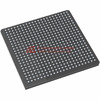
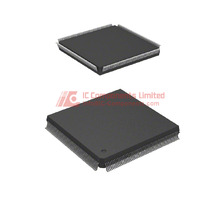
Image may be representation.
See specs for product details.

A3P600-2PQ208I

In Stock 1015 pcs Reference Price(In US Dollars)
1+
$32.594
Manufacturer Part Number:
A3P600-2PQ208I
Manufacturer / Brand
Microsemi
Part of Description:
IC FPGA 154 I/O 208QFP
Datasheets:
A3P600-2PQ208I(1).pdfA3P600-2PQ208I(2).pdf
Lead Free Status / RoHS Status:
Contains lead / RoHS non-compliant
Stock Condition:
New original, 1015 pcs Stock Available.
ECAD Model:
Ship From:
Hong Kong
Shipment Way:
DHL/Fedex/TNT/UPS

Inquiry Online

Please complete all required fields with your contact information.Click "SUBMIT REQUEST" we will contact you shortly by email. Or Email us: Info@IC-Components.com
Part Number
Manufacturer
Require Quantity
Target Price(USD)
Company Name
Contact Name
E-mail
Phone
Message
Please enter Verify Code and click "Submit"
Part Number A3P600-2PQ208I
Manufacturer / Brand Microsemi
Stock Quantity 1015 pcs Stock
Category Integrated Circuits (ICs) > Embedded - FPGAs (Field Programmable Gate Array)
Description IC FPGA 154 I/O 208QFP
Lead Free Status / RoHS Status: Contains lead / RoHS non-compliant
RFQ A3P600-2PQ208I Datasheets A3P600-2PQ208I Details PDF
A3P600-2PQ208I Details PDF for FR.pdf
A3P600-2PQ208I Details PDF for KR.pdf
A3P600-2PQ208I Details PDF for IT.pdf
A3P600-2PQ208I Details PDF for ES.pdf
A3P600-2PQ208I Details PDF for DE.pdf
Voltage - Supply 1.425 V ~ 1.575 V
Total RAM Bits 110592
Supplier Device Package 208-PQFP (28x28)
Standard Package 24
Series ProASIC3
Part Status Obsolete
Package / Case 208-BFQFP
Operating Temperature -40°C ~ 100°C (TJ)
Number of I/O 154
Number of Gates 600000
Mounting Type Surface Mount
Moisture Sensitivity Level (MSL) 3 (168 Hours)
Lead Free Status / RoHS Status Contains lead / RoHS non-compliant
Base Part Number A3P600

Packaging & ESD

Industry-standard static shielding packaging is used for electronic components.Anti-static, light-transparent materials allow easy identification of ICs and PCB assemblies.
The packaging structure provides electrostatic protection based on Faraday cage principles.This helps protect sensitive components from static discharge during handling and transportation.


All products are packed in ESD-safe anti-static packaging. Outer packaging labels include part number, brand, and quantity for clear identification. Goods are inspected prior to shipment to ensure proper condition and authenticity.

ESD protection is maintained throughout packing, handling, and global transportation. Secure packaging provides reliable sealing and resistance during transit. Additional cushioning materials are applied when required to protect sensitive components.

QC(Part Testing by IC Components)Quality Warranty

We can offer worldwide express delivery service, such as DHLor FedEx or TNT or UPS or other forwarder for shipment.

Global Shipment by DHL/FedEx/TNT/UPS

Shipping Fees reference DHL/FedEx
1). You can offer your express delivery account for shipment, ifyou haven’t any express account for shipment, we can offer our account inadvance.
2). Use our account for shipment, Shipment charges(Reference DHL/FedEx, Different Countries has different price.)
Shipment charges: (Reference DHL and FedEX)
Weight(KG): 0.00kg-1.00kg Price(USD$) : USD$60.00
Weight(KG): 1.00kg-2.00kg Price(USD$) : USD$80.00
* The price of cost is reference with DHL/FedEx. The detail charges, please contact us. Different country the express charges are different.


We accept the payment terms: Telegraphic Transfer(T/T), Credit Card, PayPal and Western Union.

PayPal:

PayPal Bank Information:
Company Name : IC COMPONENTS LTD
Paypal ID: PayPal@IC-Components.com

BANK TRANSFAR (Telegraphic Transfer)

Payment For Telegraphic Transfers:
Company Name : IC COMPONENTS LTD Beneficiary Account Number : 549-100669-701
Beneficiary Bank name : Bank of Communications (Hong Kong) Ltd Beneficiary Bank Code : 382 (for local payment)
Beneficiary Bank SWIFT : COMMHKHK
Beneficiary Bank Address : Tsuen Wan Market Street Branch 53 Market Street, Tsuen Wan N.T., Hong Kong

Any inquires or questions, please kindly contact us Email: Info@IC-Components.com


A3P600-2PQ208I Product Details:

The Microsemi A3P600-2PQ208I is an integrated circuit (IC) that belongs to the ProASIC3 series of embedded field-programmable gate arrays (FPGAs). It is designed to address the needs of applications that require a high-performance, flexible, and power-efficient programmable logic device.

As an embedded FPGA, the A3P600-2PQ208I offers a range of advanced features, including 600,000 gates, 154 I/O pins, and a total of 110,592 RAM bits. Its operating temperature range of -40°C to 100°C makes it suitable for a wide variety of environmental conditions, from industrial to automotive applications.

The A3P600-2PQ208I is encapsulated in a 208-PQFP (28x28) package, which provides a compact and efficient solution for surface mount technology (SMT) integration. The device's moisture sensitivity level (MSL) of 3 with a 168-hour rating ensures reliability and ease of handling during the manufacturing process.

The key advantages of the A3P600-2PQ208I include its high-performance, low-power consumption, and flexibility. Its programmable logic capabilities allow designers to implement custom digital and analog functions, making it suitable for a wide range of applications, such as industrial automation, communication systems, and consumer electronics.

In terms of compatibility, the A3P600-2PQ208I is a part of the ProASIC3 series, which includes several equivalent and alternative models. Some of the comparable devices within the ProASIC3 family include the A3P125, A3P300, and A3P1000, which offer varying levels of gate count, I/O, and RAM capacity to accommodate different design requirements.

A3P600-2PQ208I Key Technical Attributes

Manufacturer Part Number: A3P600-2PQ208I

Manufacturer: Microsemi

Main Category: Integrated Circuits (ICs)

A3P600-2PQ208I Packing Size

Package Type: 208-PQFP (28x28)

Material: Plastic Encapsulation

Dimensions: 28mm x 28mm

Thermal Characteristics: Operating Temperature -40°C ~ 100°C (TJ)

Electrical Properties: Voltage Supply 1.425 V ~ 1.575 V

A3P600-2PQ208I Application

This FPGA is used in designs where complex digital computations are required such as signal processing, data communication, and high-speed interfaces, suitable for industrial, automotive, and consumer electronics markets.

A3P600-2PQ208I Features

The A3P600-2PQ208I from Microsemi, part of the ProASIC3 series, provides high performance with a gate count of 600000 and 154 available I/Os, promoting extensive system-level integration. The total RAM Bits of 110592 offer adequate data storage for intricate real-time processing and control tasks. Operating over a broad temperature range and equipped with a tolerable moisture sensitivity level, it is ideal for demanding environmental conditions.

A3P600-2PQ208I Quality and Safety Features

This product follows the RoHS directive, signaling compliance with mandatory substance restrictions. With a moisture sensitivity level of 3 (168 Hours), precautions for proper handling and storage conditions are stipulated to ensure operational integrity and prolonged lifecycle.

A3P600-2PQ208I Compatibility

Surface Mount device with a stipulated mounting type, aligning with standard automated assembly procedures and compatible with most PCB technologies due to its QFP configuration.

A3P600-2PQ208I Datasheet PDF

For the most comprehensive and detailed information, consult the authoritative datasheet for model A3P600-2PQ208I available on our website. Downloading the datasheet from the current page is highly recommended for accurate specifications and setup guidelines.

Quality Distributor

IC-Components is the premium distributor for Microsemi products, ensuring top quality and reliability. As an esteemed supplier, we recommend obtaining a quote directly from our website to ensure the best price and availability for the A3P600-2PQ208I. Make sure to verify your needs with our trustworthy service.

Frequently Asked Questions

I'm designing a new industrial control system requiring a robust FPGA like the A3P600-2PQ208I. What are the implications of its -40°C to 100°C (TJ) operating temperature range on long-term reliability and component lifespan in harsh environments?
The A3P600-2PQ208I's specified junction temperature (TJ) range of -40°C to 100°C is critical for industrial applications. Operating within this range ensures the A3P600-2PQ208I meets its designed reliability specifications. Sustained operation at the upper end of the temperature range will accelerate aging mechanisms like electromigration and hot carrier injection, potentially reducing the overall lifespan compared to operation at lower temperatures. Proper thermal management, including heatsinks and adequate airflow, is essential to keep the TJ well below 100°C for maximum longevity in demanding industrial settings.
My project is migrating from an older Actel ProASIC3 part and I'm considering the A3P600-2PQ208I. What are the primary design considerations, especially regarding the 1.425V to 1.575V core voltage, when replacing a device with a different voltage rail? Are there any specific voltage regulator recommendations for the A3P600-2PQ208I?
Transitioning to the A3P600-2PQ208I from a different ProASIC3 or older FPGA requires careful attention to the core voltage supply. The A3P600-2PQ208I operates within a tight voltage window of 1.425V to 1.575V. Using a regulator that can accurately maintain this voltage, with minimal ripple and excellent transient response, is paramount. Linear regulators are often suitable for this purpose due to their low noise, but ensure sufficient current capacity and thermal dissipation. Switching regulators can also be used, but careful filtering is needed to mitigate switching noise that could affect the FPGA's operation. Incorrect core voltage can lead to functional failures or permanent damage to the A3P600-2PQ208I.
I need to interface the A3P600-2PQ208I with various peripherals operating at 3.3V and 5V logic levels. Given its 154 I/O count, how can I effectively manage these different voltage domains without risking damage to the A3P600-2PQ208I or the external components? Are there any specific limitations on I/O voltage tolerance for the A3P600-2PQ208I?
The A3P600-2PQ208I's I/O pins are designed for a specific voltage range, and directly interfacing with 3.3V or 5V logic can be problematic without appropriate level shifting. While the datasheet for the A3P600-2PQ208I should be consulted for precise I/O voltage tolerance, it's highly recommended to use external level shifters or voltage translators. Bidirectional logic level converters are ideal for this purpose. Failure to do so can result in ESD damage or incorrect logic operation for both the A3P600-2PQ208I and the connected peripherals. Careful planning of the I/O mapping and selection of appropriate level-shifting components is crucial for successful integration.
Our previous FPGA project used a Xilinx XC6SLX45 and we are evaluating the Microsemi A3P600-2PQ208I for a new design. What are the key differences in terms of architecture, performance potential, and typical power consumption that we should consider when migrating from a SRAM-based FPGA to the flash-based A3P600-2PQ208I?
Migrating from a SRAM-based FPGA like the Xilinx XC6SLX45 to a flash-based FPGA such as the A3P600-2PQ208I involves significant architectural differences. SRAM-based FPGAs typically offer higher clock speeds and dynamic reconfigurability. The A3P600-2PQ208I, being flash-based, is non-volatile, meaning its configuration is retained without power, and offers lower standby power consumption. However, it may have slower routing delays and limited dynamic configuration capabilities compared to SRAM counterparts. Design considerations for the A3P600-2PQ208I should focus on its specific timing models and routing resources, which will differ from the Xilinx part. Power consumption will generally be lower in the A3P600-2PQ208I, especially in standby modes.
I'm working with a legacy system that utilizes an older Microsemi Axcelerator series FPGA and need to find a suitable modern replacement. Could the A3P600-2PQ208I serve as a pin-compatible or functionally equivalent replacement, and what are the main design implications if it's not a direct drop-in for the A3P600-2PQ208I?
Direct pin compatibility and functional equivalence between the A3P600-2PQ208I and older Microsemi Axcelerator series FPGAs are unlikely without a thorough comparative analysis. While both are from Microsemi, architectural differences, I/O standards, internal clocking schemes, and memory structures can vary significantly. If the A3P600-2PQ208I is not a direct replacement, expect to redesign the PCB layout for different pinouts and potentially update the surrounding circuitry to accommodate different voltage requirements or I/O types. Furthermore, the HDL code will likely need significant modifications to target the A3P600-2PQ208I's specific toolchain and device features.
For an embedded system requiring high reliability and long operational life, what are the implications of the A3P600-2PQ208I being RoHS non-compliant due to lead content? Are there specific industries or applications where this would be a showstopper for using the A3P600-2PQ208I?
The RoHS non-compliant nature of the A3P600-2PQ208I, due to its lead content, is a significant consideration. Many modern electronics manufacturing standards and regulations prohibit the use of leaded components. Industries such as consumer electronics, automotive (especially in newer vehicle generations), and medical devices often have strict RoHS compliance requirements. Using the A3P600-2PQ208I in such applications would likely be a showstopper unless the target market or specific application has explicit exemptions. For applications where RoHS compliance is mandatory, alternative lead-free FPGAs will need to be sourced, and design migration will be necessary.
When configuring the A3P600-2PQ208I in a system with limited microcontroller resources, what are the most efficient and practical configuration methods or programming interfaces available? Specifically, how does the JTAG interface of the A3P600-2PQ208I compare to other potential boot methods in terms of speed and complexity for initial programming?
The A3P600-2PQ208I supports multiple configuration methods. The Joint Test Action Group (JTAG) interface is commonly used for initial programming and debugging. For production environments, other methods such as in-system programming (ISP) via SPI or I2C, or even a dedicated boot ROM for initial configuration, might be more efficient. JTAG, while versatile for development, can be slower for mass production programming compared to dedicated parallel or serial interfaces. The choice of configuration method for the A3P600-2PQ208I depends on factors like the available interface on the host microcontroller, desired programming speed, and production volume.
I'm facing a situation where I need to replace a damaged A3P600-2PQ208I on a populated PCB. What are the critical soldering profile and desoldering considerations for the 208-PQFP (28x28) package of the A3P600-2PQ208I to avoid damaging adjacent components or the PCB itself?
Replacing a damaged A3P600-2PQ208I on a populated board requires careful thermal management during soldering and desoldering. The 208-PQFP (28x28) package has a lead pitch that necessitates precise temperature control to avoid bridging or damaging the fine-pitch leads. Consult the datasheet for the recommended reflow profile for the A3P600-2PQ208I. Using a hot air rework station with a precise nozzle and temperature control is crucial. Gradual preheating and controlled cooling are important to prevent thermal shock to the component and the PCB. Desoldering should be performed with desoldering braid or a vacuum desoldering tool, ensuring all solder is removed from the pads without excessive heat application.
My design requires a significant amount of on-chip memory for data buffering. The A3P600-2PQ208I offers 110592 total RAM bits. How can I efficiently utilize this RAM for applications like digital signal processing or high-speed data acquisition, and what are the typical latency considerations when accessing this embedded RAM in the A3P600-2PQ208I?
The 110592 total RAM bits on the A3P600-2PQ208I can be effectively utilized for various buffering and storage needs. For DSP applications, this RAM can be configured as dual-port memories for simultaneous read and write operations, or as FIFOs. In high-speed data acquisition, it can serve as a buffer to store incoming samples before processing. The latency for accessing this embedded RAM within the A3P600-2PQ208I is generally very low, typically within a few clock cycles, allowing for high-speed data throughput. However, complex memory access patterns or contention for memory ports can introduce additional latency, so careful memory architecture design is important.
We are considering using the A3P600-2PQ208I for a cost-sensitive consumer product, but our internal guidelines require parts with a Moisture Sensitivity Level (MSL) of 1 or 2. Given that the A3P600-2PQ208I has an MSL of 3 (168 Hours), what are the practical implications and what additional handling procedures would be required during assembly to mitigate the risks associated with this MSL rating for the A3P600-2PQ208I?
An MSL of 3 for the A3P600-2PQ208I indicates that the component is susceptible to moisture absorption and requires specific handling procedures during assembly to prevent "popcorning" or delamination during reflow soldering. This means the A3P600-2PQ208I must be stored in dry conditions (e.g., in a dry bag with desiccant) and used within 168 hours of opening the packaging. If the exposure time exceeds this, a bake-out procedure is typically required before soldering. For cost-sensitive consumer products with strict MSL requirements, sourcing an equivalent FPGA with MSL 1 or 2 would be a more straightforward approach, as it minimizes assembly line complexity and potential yield losses associated with the A3P600-2PQ208I.

Recent Reviews

Leave Comment
Hello, you have not logged in, please log in
User Login

Forgot password?

No account yet? Register now

Tips
Please speak legally
Your email will be hidden
Please complete all required fields ( denoted with* )
Mark
5.0

You May Also Be Interested In:


A3P600-2PQ208I

A3P600-2PQ208I

Microsemi

IC FPGA 154 I/O 208QFP

In Stock: 1015

SUBMIT RFQ